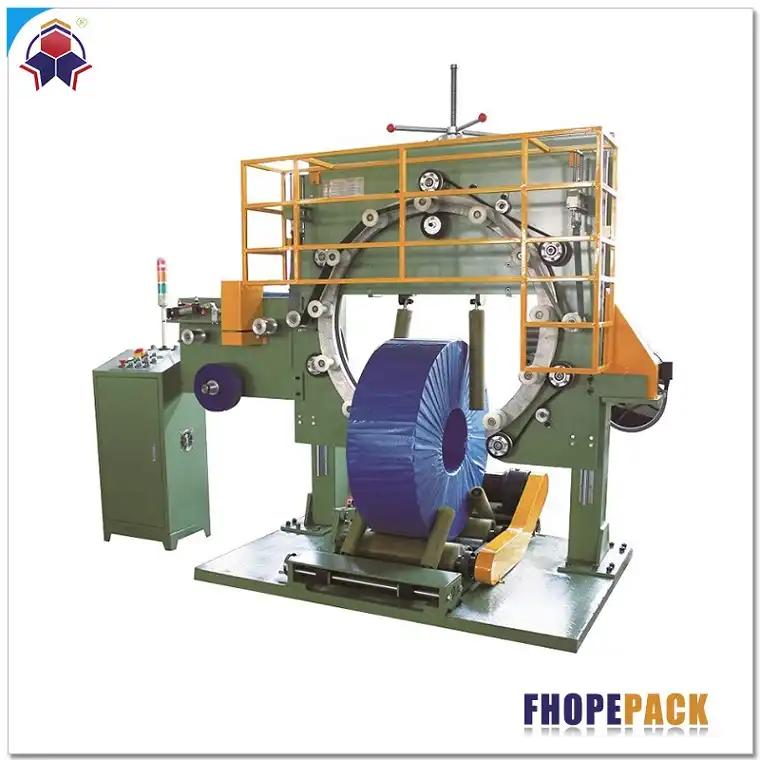
Data Integration Architecture for Automatic Coil Packing Lines with ERP/MES
Integrate your Coil Packing Line with ERP & MES systems. Learn how PLC data exchange and API connectivity eliminate silos and ensure full traceability in steel production.

Data Integration for Automatic Coil Packing Lines with ERP/MES
Data Integration Architecture
for Automatic Coil Packing Lines with ERP/MES
Abstract
In response to the frequent inquiry regarding system compatibility—"Can this system integrate with our existing ERP or MES?"—this white paper outlines our engineering approach to bridging the "data silos" often found in industrial environments. By leveraging API interfacing, PLC-to-PLC communication, and mechanical buffering strategies, our packing line solutions provide end-to-end integration. This ensures data consistency, full traceability, and seamless logistics from the slitters to the warehouse.
The Imperative for Integration (Why?)
In the current steel and metal processing landscape, approximately 90% of mills operate with MES (Manufacturing Execution Systems) that cannot execute a fully automated workflow from start to finish. This fragmentation occurs because production, sales, and inventory systems are often supplied by different vendors or implemented at different times, creating isolated "data islands" where version mismatches make connectivity difficult.
For automated packing lines, integration is critical to solving specific operational challenges:
-
Eliminating Manual Errors
Manual entry of coil parameters (e.g., width, max OD, weight) is prone to human error.
-
Enabling Traceability
When product quality issues arise, the system must be capable of backtracking through the packaging data to identify the specific production crew, shift, and process step responsible.
-
Closing Logistics Loop
Automated warehouse systems (WMS) require real-time data from the packing line to execute automatic scanning and shipping without manual intervention.
Data Integration Architecture
Our solution addresses integration at two distinct levels: the Operational Technology (OT) layer and the Information Technology (IT) layer.
2.1 OT Layer: Machine-to-Machine
Slitter → Packing Line
This is the foundation of physical automation. To achieve automatic packing, the line requires precise coil parameters (such as width and outer diameter).
-
Technical Implementation: We utilize PLC-to-PLC communication (typically via Ethernet modules) to transfer data directly from the upstream slitter to the packing line.
-
Process: During the slitting process, knife setups are already input. We "share" this existing data rather than requiring re-entry.
-
Support: For clients lacking specialized electrical engineers, we provide comprehensive assistance to establish this data link.
2.2 IT Layer: System-to-System
ERP/MES ⇄ Packing Line
This layer manages high-level business data and labeling requirements via API interfaces.
- ↓ Downstream (ERP → Packing): The ERP transmits sales data (Customer Name, Order No.) and production data to the packing line's printing system for real-time label generation.
- ↑ Upstream (Packing → ERP/WMS): Upon completion, the system uploads execution data (Time, Actual Weight). This is crucial for WMS, allowing the warehouse to automatically read package info for storage and shipping.
Data Performance Comparison
The following table contrasts the operational impact of a standalone system versus an integrated solution:
| Metric | Manual / Standalone | Integrated Solution |
|---|---|---|
| Parameter Input | Relies on manual entry of coil width/OD | Auto-Acquisition: Direct read from Slitter PLC |
| Data Integrity | High risk of human transcription errors | 100% Accurate: Data mirrors the source directly |
| Labeling | Manual selection and printing | Real-Time Generation: ERP drives printer via API |
| Warehousing | Manual scanning and delayed entry | Auto-Inbound: WMS automatically reads data |
| Traceability | Difficult; data is fragmented | Full History: Trace quality issues back to shifts |
Mechanical & Logistics Integration
Beyond data, the physical transfer of coils between systems is tailored to the facility's constraints.
Retrofitting
For existing factories with established layouts, we often utilize overhead cranes or semi-automated transfer cars (remotely operated) to bridge the gap between production and packing.
New Line Planning
Without spatial constraints, we implement fully unmanned transfers using AGVs or conveyors.
The Role of Buffer Lines
Production lines often discharge products at variable rates (e.g., bursts of output), while packing lines operate at a fixed cycle time.
- Scenario: 200 coils rapidly within a specific window.
- Solution: Buffer stations store these coils, balancing the speed differential over an 8-hour shift.
Conclusion: Can we integrate? YES.
We strongly advise clients to consider integration during the planning phase. Even if full automation is not immediately required, we recommend implementing Control System Redundancy. This design philosophy ensures that hardware and software interfaces are pre-installed for future "plug-and-play" connections.
Key Takeaway
"Automation is not just about moving machinery; it is about moving data."
By choosing our system, you leverage an intelligent node capable of conversing with your ERP and MES. We ensure your packing line provides the verifiable, real-time data necessary for a modern, traceable production environment.
Visual Details
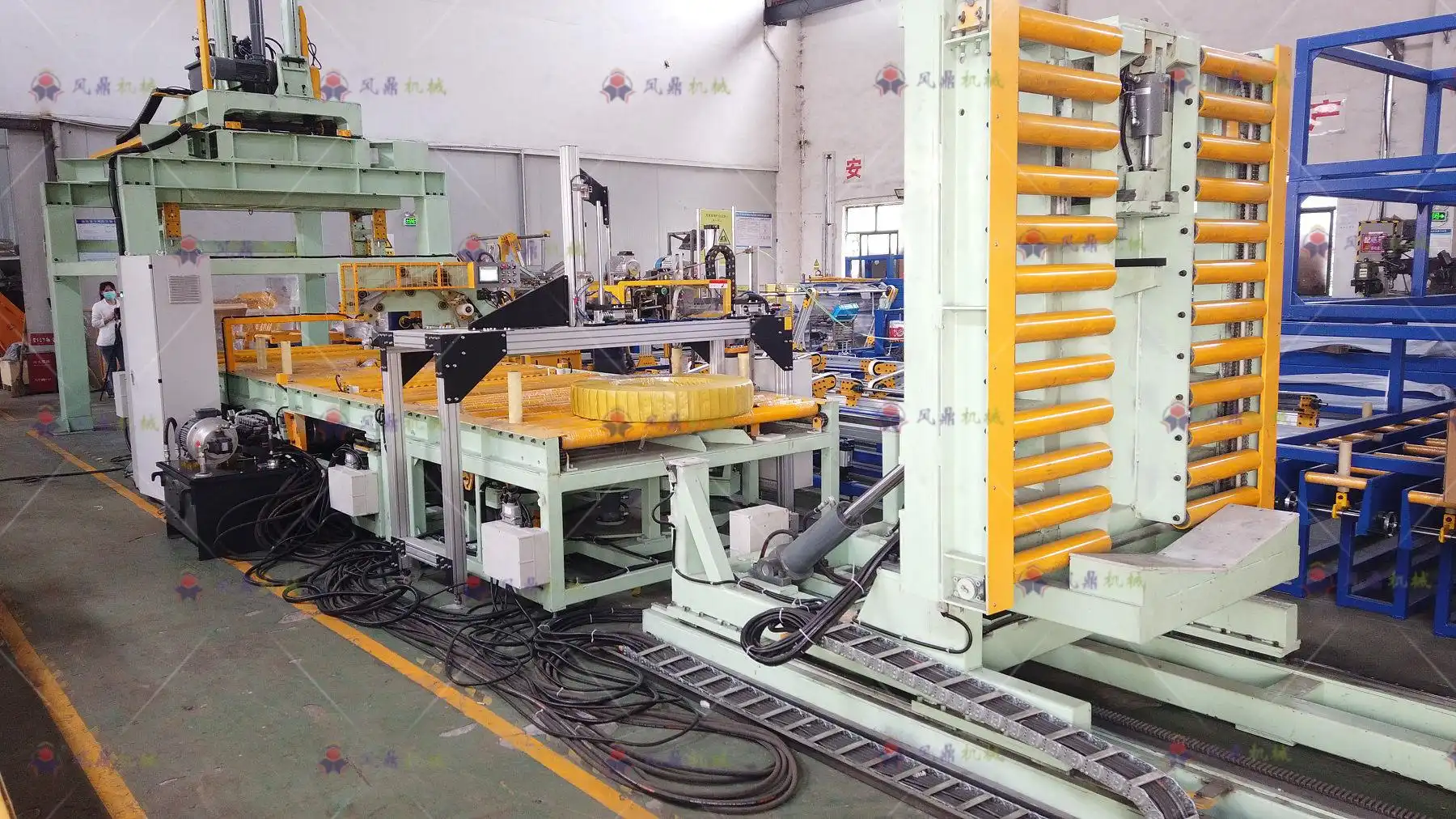
Click to enlarge
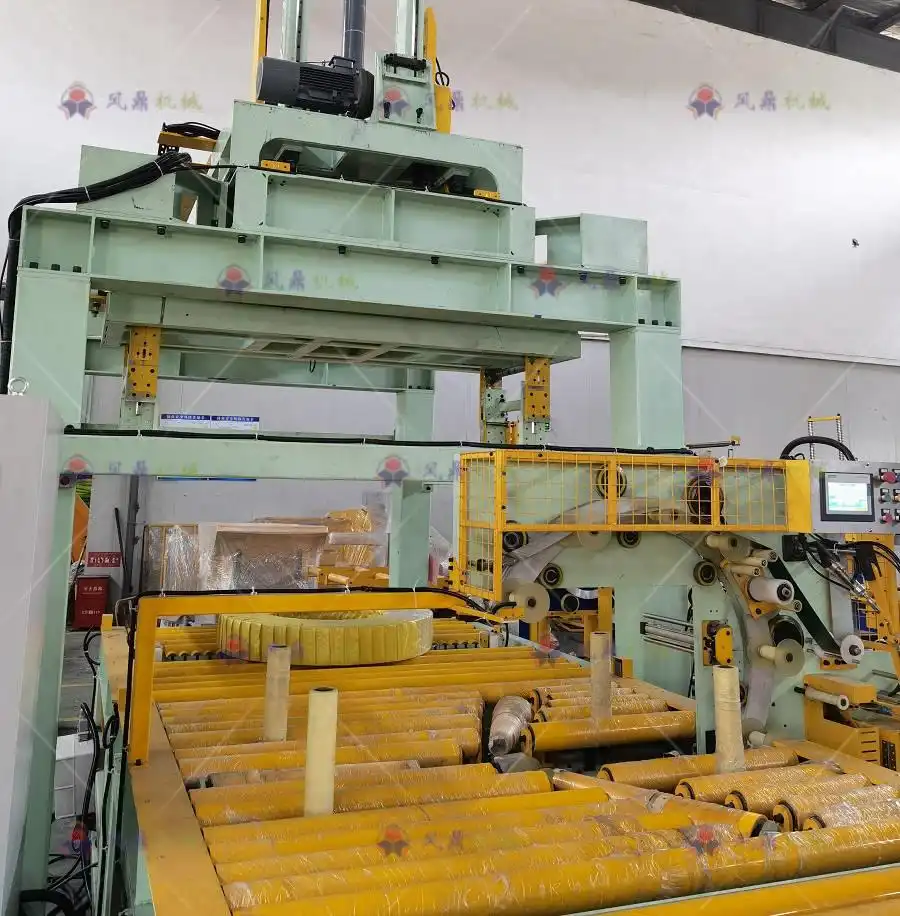
Click to enlarge
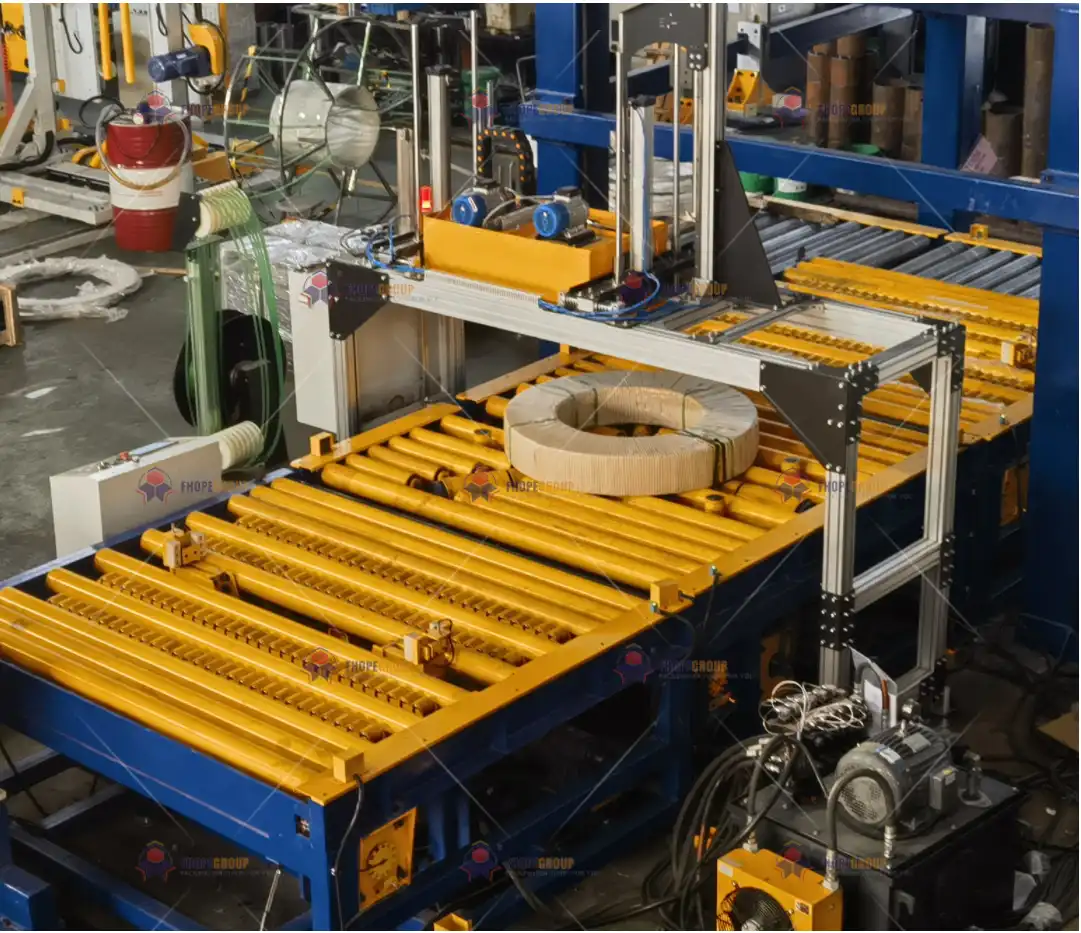
Click to enlarge

Click to enlarge
Watch How It Works
Discover how our automated packaging solutions optimize your production line efficiency. This video demonstrates the seamless operation designed for maximum protection.
Trusted by Steel Mills & Industry Leaders
Global manufacturers rely on FHOPE heavy duty packaging equipment


Ready to optimize your packaging line?
Get a custom quote with ROI analysis. Our engineers respond within 24 hours.
- Free layout design
- Global installation support
- 2-year warranty included
Your information is secure and will never be shared.
Related Machines

Copper Coil Packing Line Series - Complete Automated Packagin
View Details →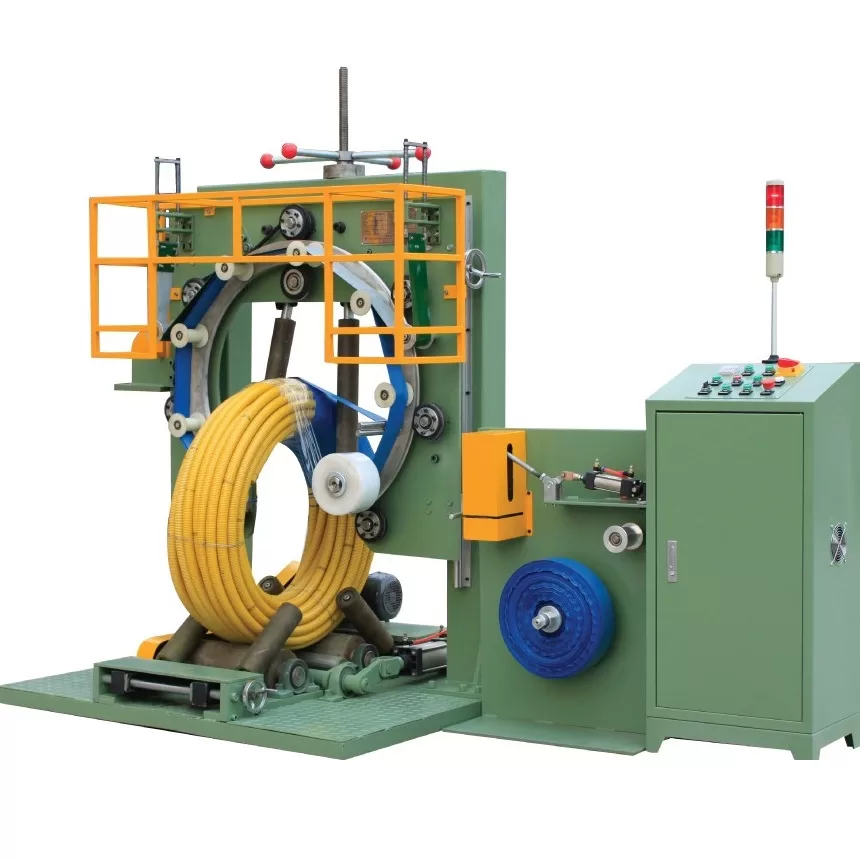
Coil Wrapping Machine For Pipe Coil
View Details →
Semi-Automatic and Fully Automatic Steel Coil Packing Lines D
View Details →
Turnkey Solution: Fully Automated Coil Slitting and Packing L
View Details →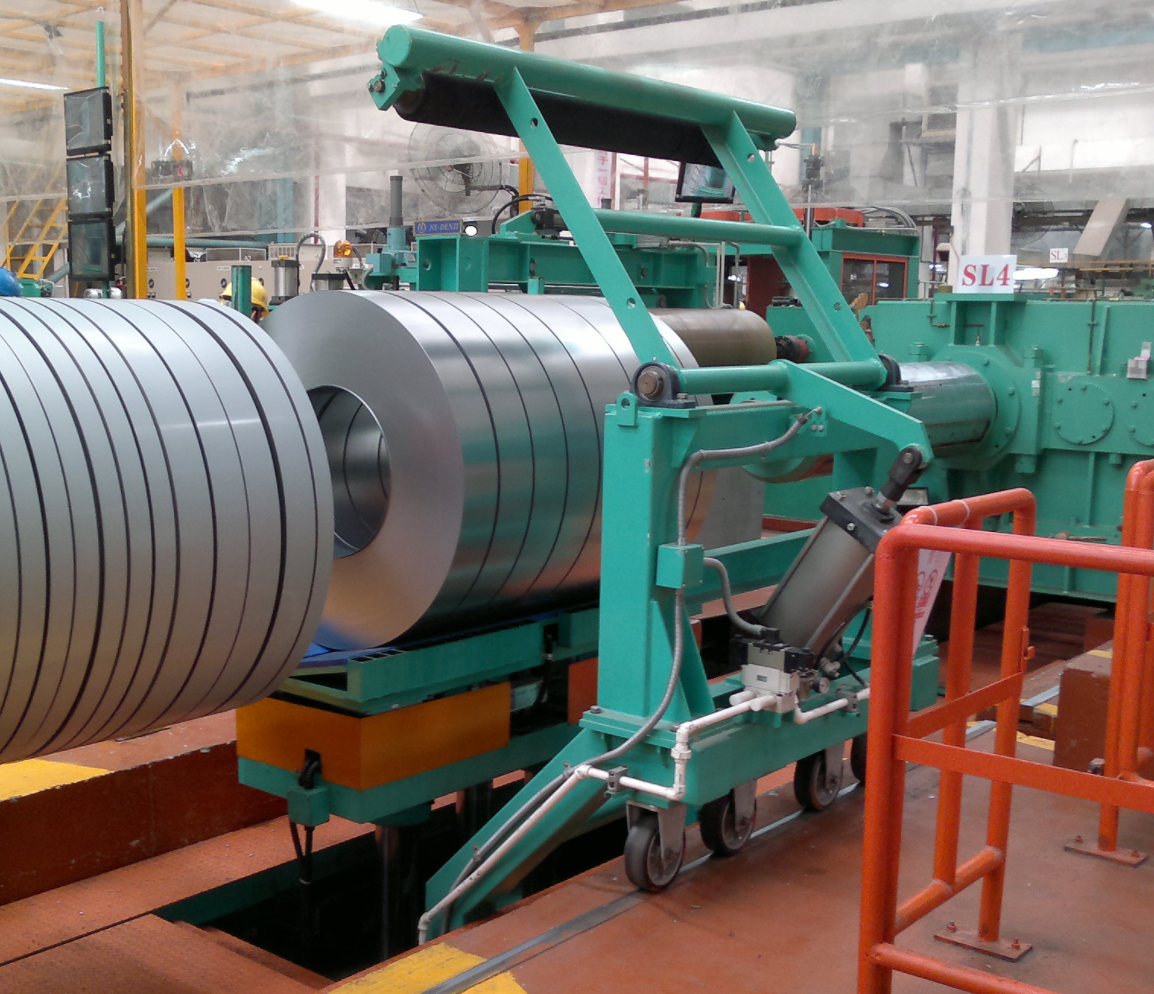
Guide of the Coil Car for Integrating the Coil Rewinder with
View Details →
How to prevent coils being picked up missed together in coil
View Details →
Packaging Line Of Metal Rolls And Coils
View Details →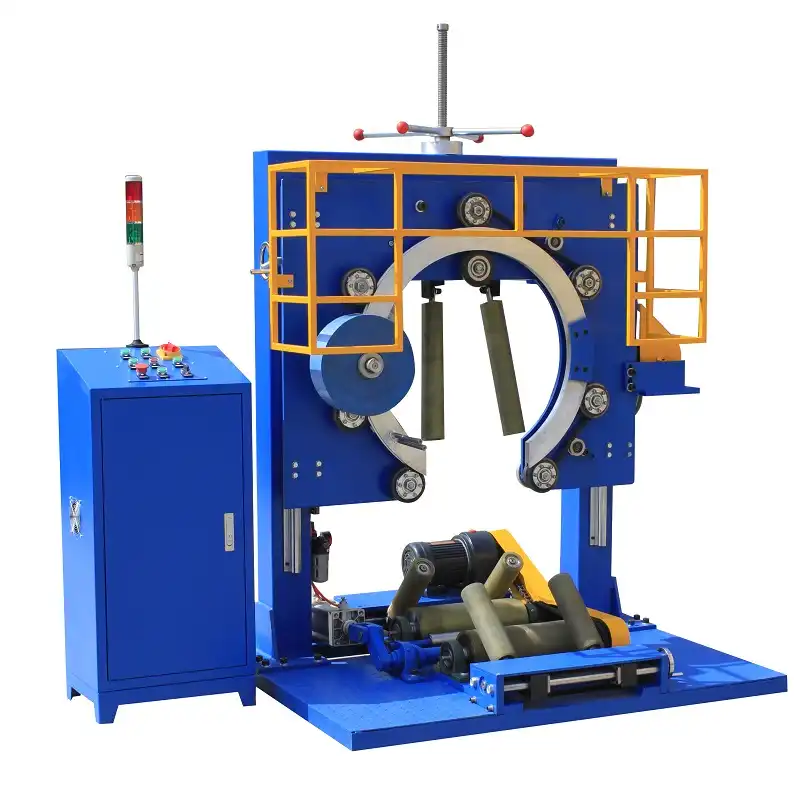
Metal Coil Wrapper Machine In India
View Details →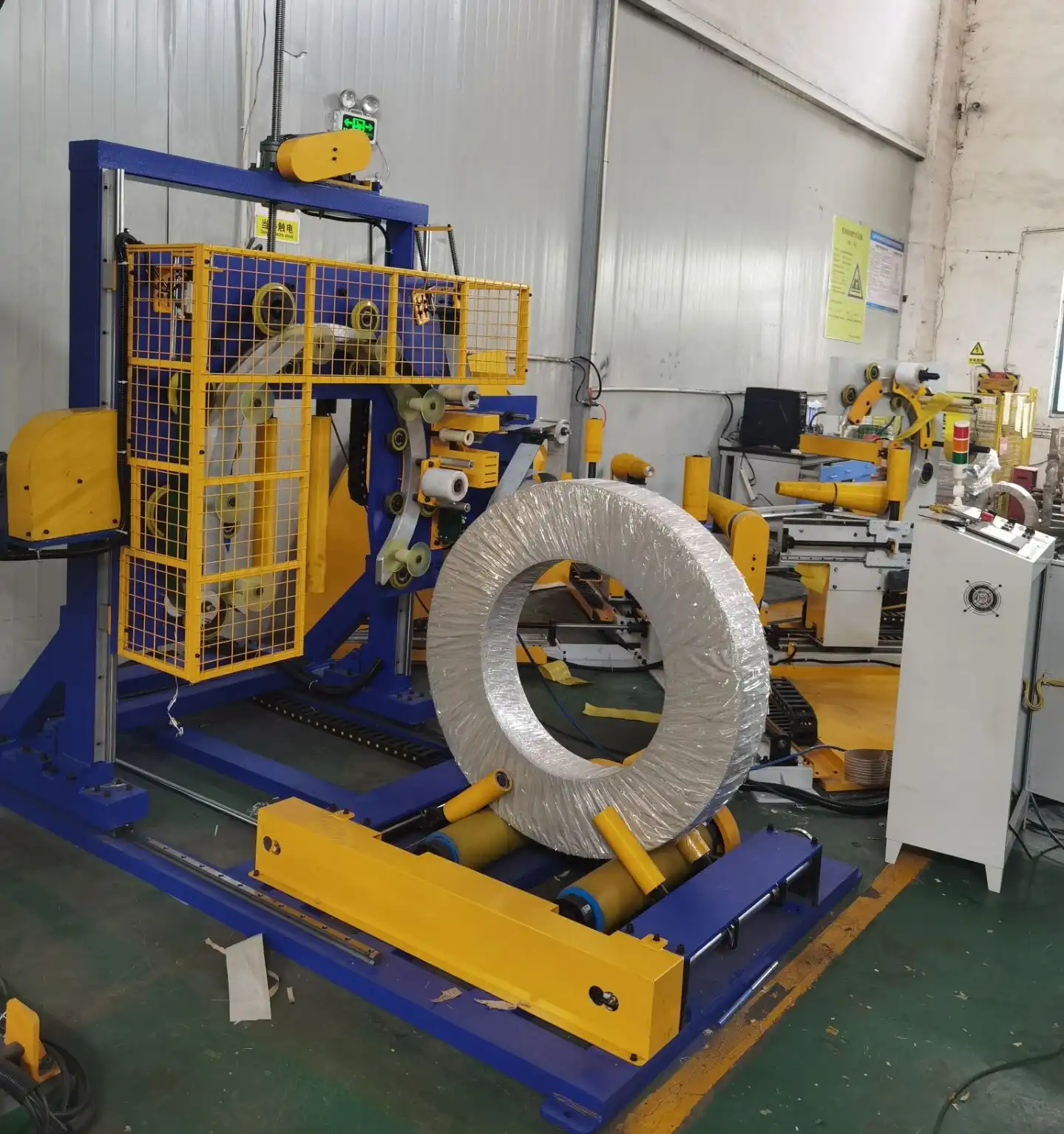
Coil Wrapping Machine In Vietnam
View Details →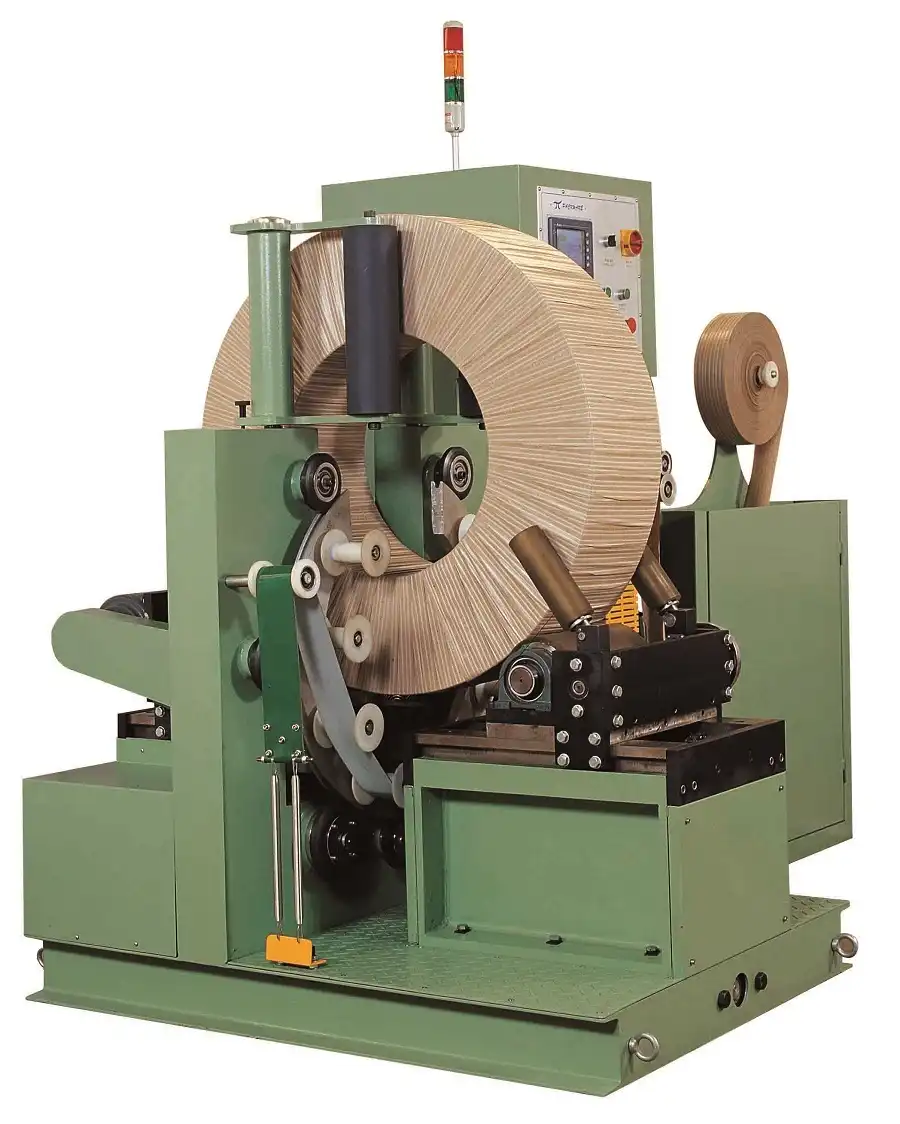
Coil Wrapping Machine In Thailand
View Details →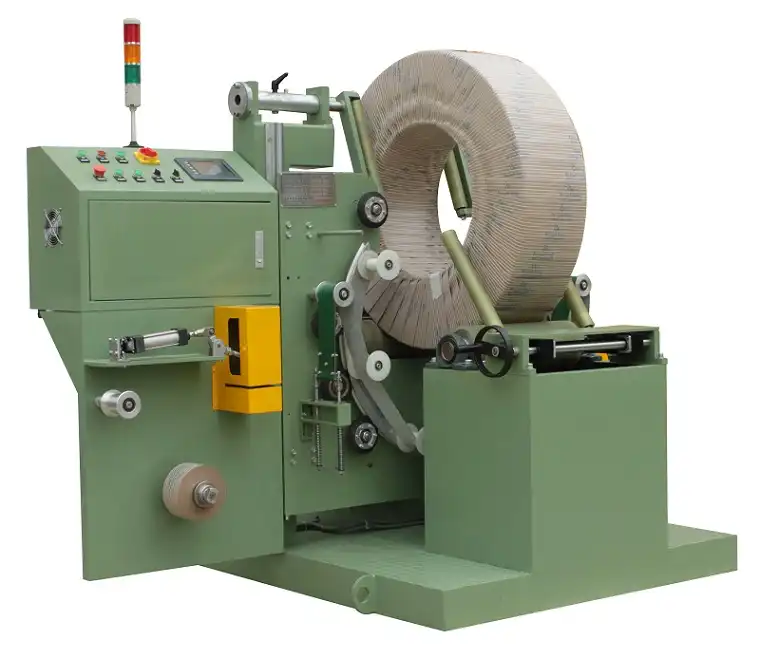
Coil Wrapping Machine In Singapore
View Details →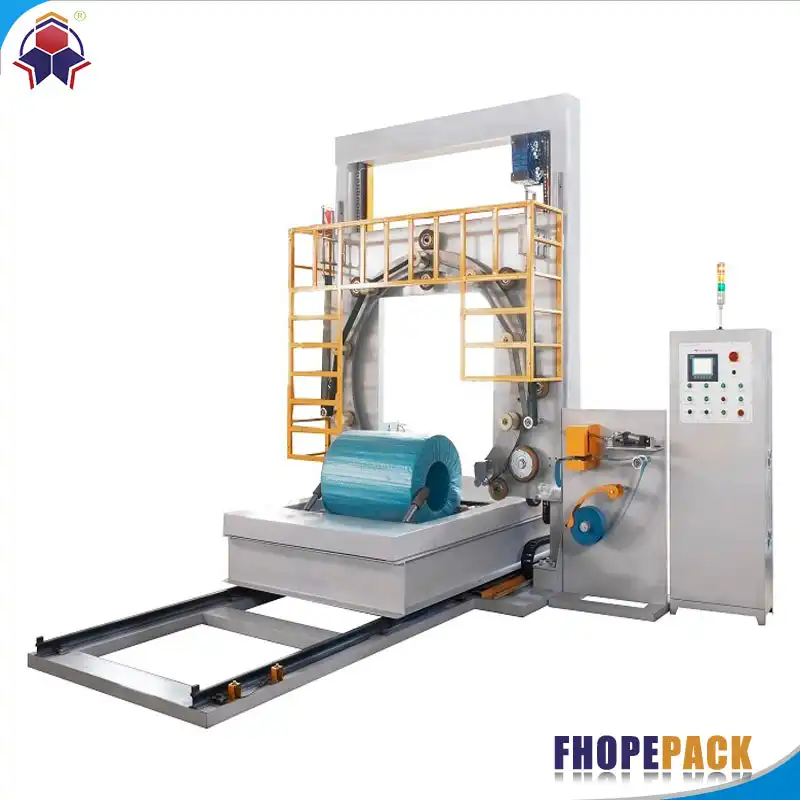
Coil Wrapping Machine In Philippines
View Details →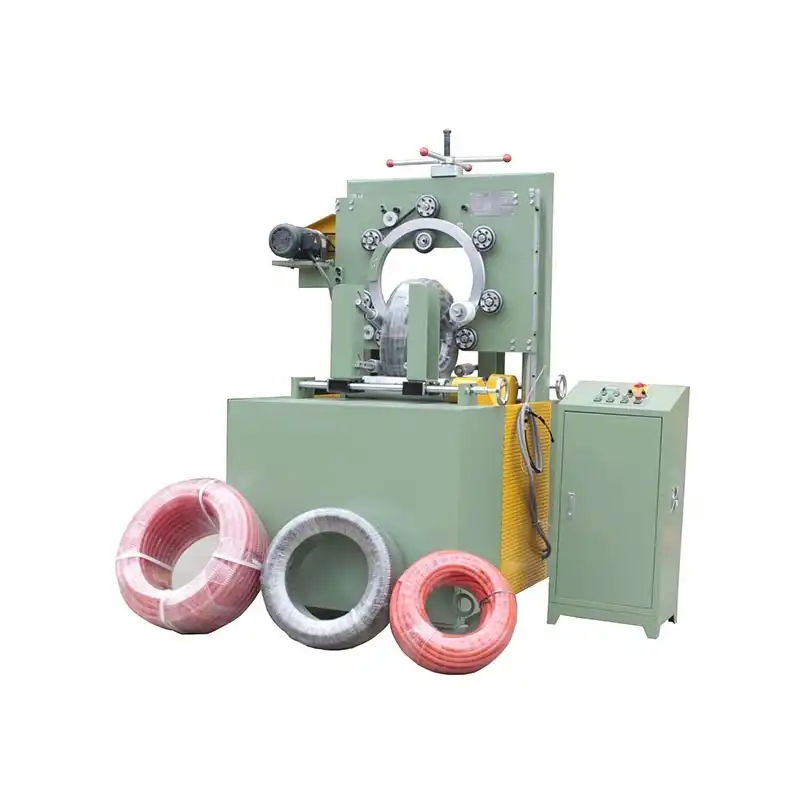
Coil Wrapping Machine In Malaysia
View Details →
Coil Wrapping Machine In Indonesia
View Details →
Coil Wrapping Machine In Venezuela
View Details →
Coil Wrapping Machine In Uruguay
View Details →
Coil Wrapping Machine In Peru
View Details →
Coil Wrapping Machine In Paraguay
View Details →
Coil Wrapping Machine In Ecuador
View Details →